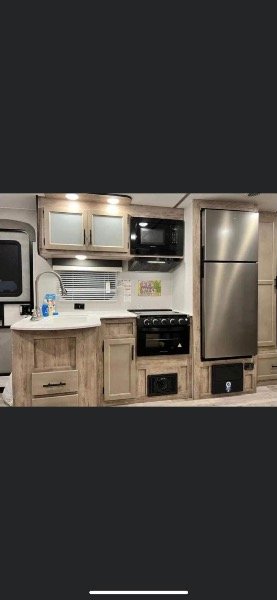
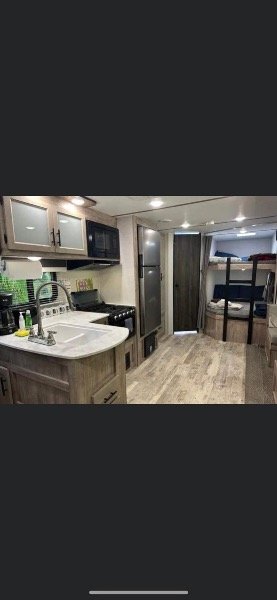
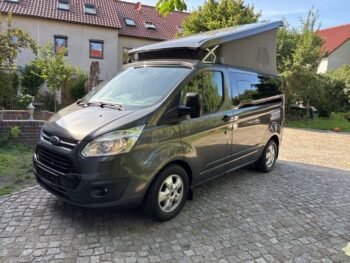
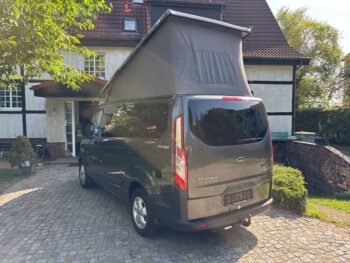
Understanding the differences between campers and motorhomes is essential for anyone considering road travel. Each vehicle type offers unique features that cater to different needs and preferences.
Campers are typically more compact and versatile, while motorhomes provide greater space and amenities. This article will explore key distinctions, including size, fuel efficiency, maintenance, and more.
Definitions and Basic Concepts
This section provides essential definitions and concepts to understand the differences between campers and motorhomes.
What is a Motorhome?
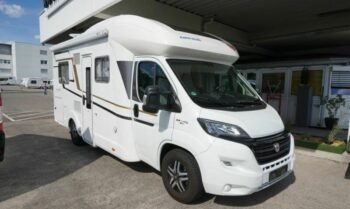
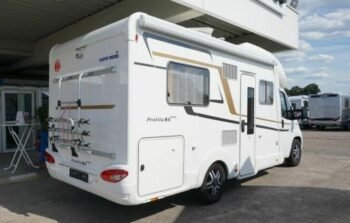
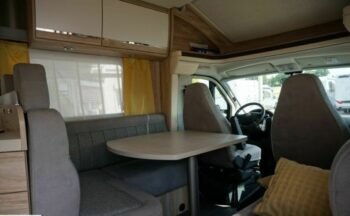
A motorhome is a self-propelled vehicle designed for recreational living. They are larger than most vehicles, combining transportation and living space in one unit. Motorhomes are equipped with amenities that can include:
- Fully-equipped kitchens
- Bathrooms with showers
- Comfortable sleeping areas
- Dining and lounge spaces
Generally, motorhomes come in various classes, such as Class A, B, and C, each offering different features and sizes to cater to a range of needs. Their size and amenities make them suitable for extended trips, often favored by families and larger groups.
Understanding Campers
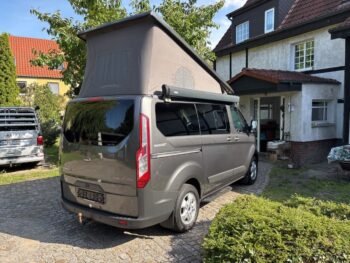
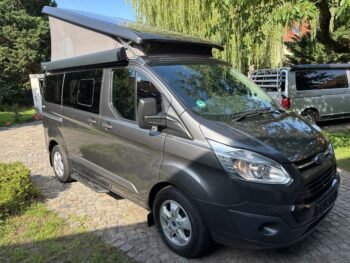
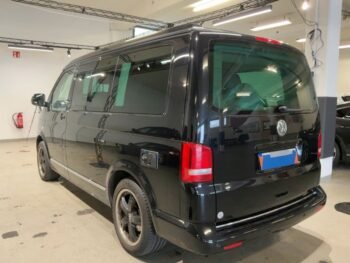
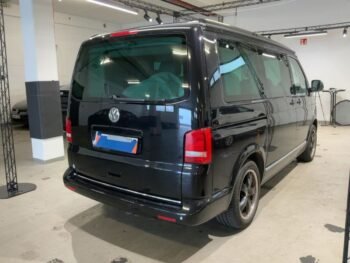
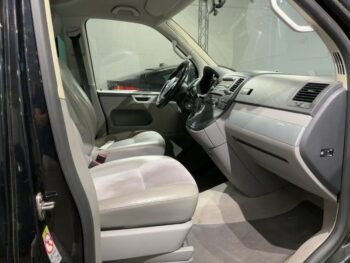
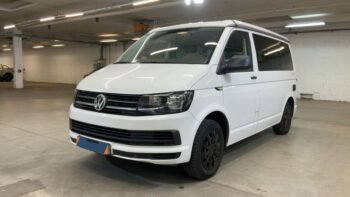
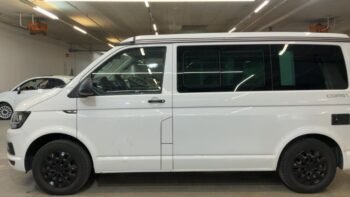
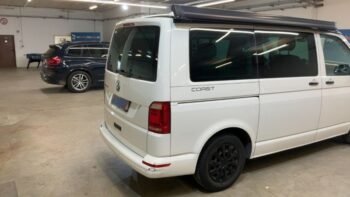
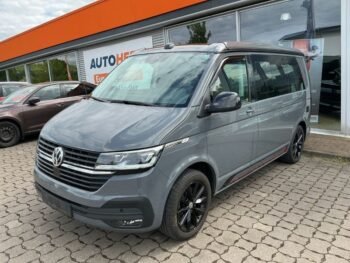
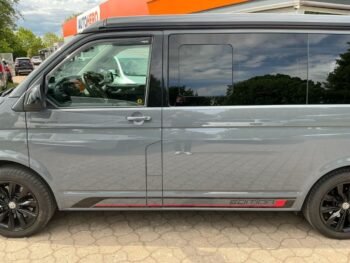
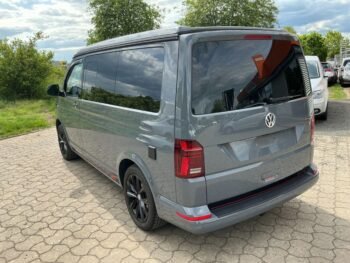
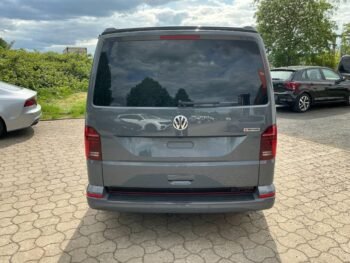
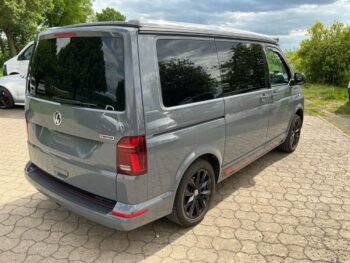
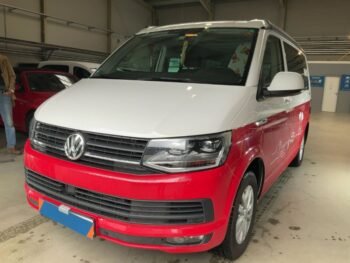
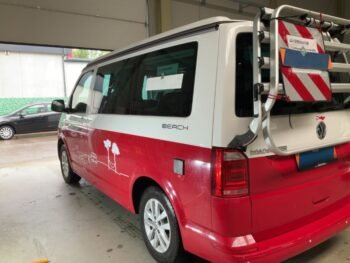
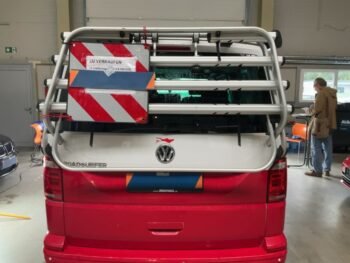
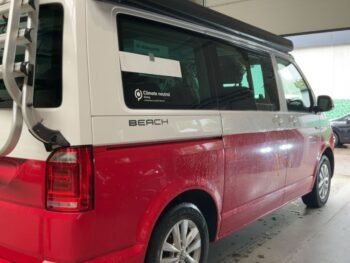
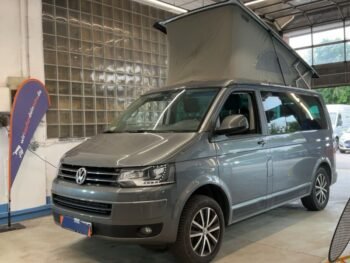
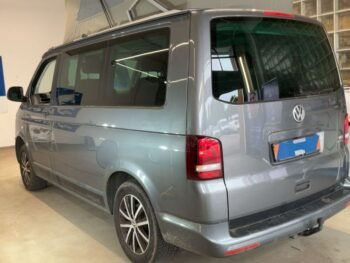
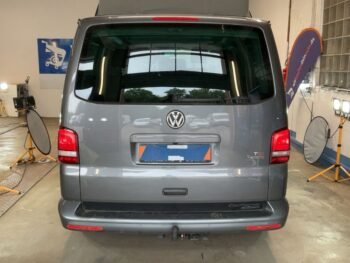
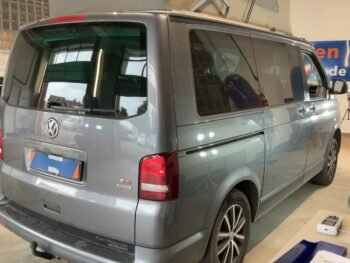
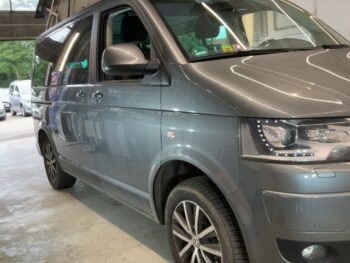
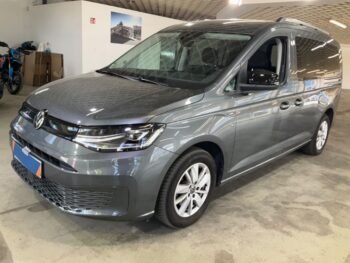
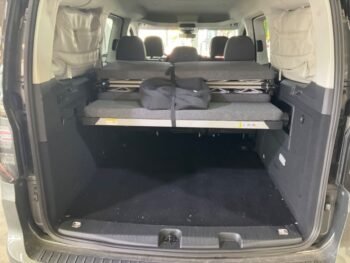
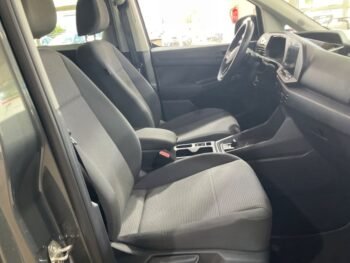
Campers, also known as campervans, are typically smaller than motorhomes. They are often converted from standard vans and offer a more compact living space. Key characteristics of campers include:
- Compact design ideal for daily use
- Basic kitchen facilities
- Foldable beds or convertible seating arrangements
- Less interior space compared to motorhomes
These vehicles cater to individuals or couples seeking flexibility and ease of maneuvering. They are well-suited for shorter trips or spontaneous adventures, providing a balance between comfort and convenience.
Size and Interior Space
Understanding space and layout is essential when comparing campers and motorhomes. Each type offers a different approach to interior design, catering to various lifestyles and travel needs.
Motorhome Layouts
Motorhomes are known for their spacious designs. They typically feature multiple layouts, including:
- Class A: The largest option, resembling a bus, with ample living space and full amenities.
- Class B: Compact and more mobile, often featuring a van-like design with essential facilities.
- Class C: Mid-sized with a distinctive over-cab sleeping area, combining benefits of Class A and B.
These layouts accommodate different traveling preferences, making them suitable for families and groups seeking comfort while on the road.
Camper Configurations
Campers, on the other hand, focus on versatility in a compact size. Common configurations include:
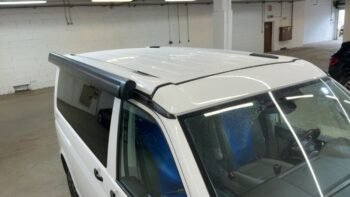
- Pop-up Campers: Expands into a larger space when unlatched, ideal for short trips.
- Slide-in Campers: Install directly onto a pickup truck bed, offering mobility without sacrificing too much space.
- Conversion Vans: Built from standard vans with sleeper setups, blending travel and daily usability.
These configurations provide flexibility, catering to spontaneous adventures or daily errands.
Comparisons of Space and Comfort
When evaluating space and comfort, motorhomes generally offer more room for amenities and living areas than campers. Motorhomes often include:
- Full kitchens with ovens and refrigerators.
- Dedicated bathroom facilities.
- Separate sleeping quarters.
Conversely, campers may lack some comforts but can efficiently utilize their smaller spaces through innovative storage solutions and multipurpose furniture, making them practical for shorter trips while still maintaining comfort.
Fuel Consumption and Efficiency
Understanding fuel consumption and efficiency is essential for evaluating the operational costs of both motorhomes and campers. These factors directly influence the overall travel experience and budget management.
Motorhome Fuel Usage
Motorhomes, typically larger and heavier, will consume more fuel compared to campers. The average fuel usage ranges from 9 to 12 liters per 100 kilometers. Factors influencing fuel efficiency include:
- Vehicle weight
- Aerodynamics
- Driving conditions
As a result, owners may face higher fuel expenses, especially on long trips.
Camper Fuel Efficiency
Campers provide a more economical option in terms of fuel consumption. They usually achieve a range of 7.4 to 8.5 liters per 100 kilometers. This efficiency is due to their lighter weight and smaller size, making them ideal for travelers who prioritize cost-effectiveness.
Cost Implications of Fuel Consumption
The difference in fuel consumption between motorhomes and campers can significantly impact the overall cost of ownership. Motorhome owners may find their budget strained by higher fuel expenses, while camper owners often enjoy savings. Key points to consider include:
- Total fuel expenditure over long trips
- Potential savings for frequent travelers
- Impact on trip planning based on fuel costs
Overall, understanding these fuel consumption metrics can help potential buyers make a more informed decision based on their travel habits and financial considerations.
Maintenance Costs
Maintenance costs are a significant consideration when choosing between campers and motorhomes. Understanding the financial implications can help in making a more informed decision.
Maintenance for Motorhomes
Motorhomes typically require more maintenance due to their size and complexity. The key factors influencing maintenance costs include:
- Engine and Transmission: Service intervals can be frequent, especially for larger models.
- Appliances: Repair or replacement of onboard appliances can add to costs.
- Exterior Care: Regular detailing is necessary to preserve the motorhome’s finish.
Additionally, the type of motorhome determines the maintenance frequency. Diesel models may incur higher long-term care costs than gasoline ones.
Camper Maintenance Needs
Campers generally have lower maintenance demands. Their simpler design translates to fewer potential problems. However, some considerations include:
- Routine Vehicle Maintenance: Regular oil changes and brake checks are essential.
- Interior Systems: Inspecting plumbing and electrical systems is crucial.
- Tire Wear: Proper inflation and rotation extend the lifespan of tires.
Keeping up with these tasks can ensure the camper remains reliable for spontaneous trips.
Insurance Considerations
Insurance can significantly affect overall maintenance costs. Motorhomes usually incur higher premiums due to their value and features. Factors include:
- Coverage Types: Comprehensive coverage may be recommended for motorhomes.
- Usage Frequency: More extensive use can increase insurance costs.
- Safety Features: Equipped safety features might lower premiums.
In contrast, campers often have lower insurance rates, making them an economical choice for coverage.
Driving and Maneuverability
Driving and maneuverability are essential factors to consider when selecting a recreational vehicle. The size and design of a vehicle significantly influence how easily it can be handled on various types of roads.
Handling Motorhomes on Narrow Roads
Motorhomes, due to their larger size and greater weight, can be challenging to navigate in tight spaces. Maneuvering through narrow roads can become tricky, especially in urban settings or rural areas where roads may be less developed. Some important considerations include:
- Awareness of blind spots, as larger vehicles have a wider turning radius.
- Careful planning when approaching tight turns or intersections.
- Using mirrors effectively to gauge the vehicle’s position relative to surrounding obstacles.
Driving Experience with Campers
Campers offer a more streamlined driving experience. Their compact size allows for easier handling and better visibility on the road. Drivers of campers appreciate:
- Greater agility in urban environments.
- Enhanced fuel efficiency due to their lighter weight.
- Less difficulty in finding parking spots in crowded areas.
License Requirements
The requirements for operating these vehicles vary based on their size and weight. Generally:
- Most campers can be driven with a standard Class C driver’s license.
- Some larger motorhomes may require a special license, such as a Class B or a specific endorsement.
- It is essential for drivers to check local regulations to ensure compliance with licensing requirements.
Parking and Overnight Options
Parking and overnight considerations play a vital role in the overall travel experience for both motorhomes and campers. Understanding the unique challenges and benefits of each vehicle type can enhance the journey significantly.
Motorhome Parking Challenges
Parking a motorhome presents several challenges, particularly due to its size. Finding suitable parking spaces can be difficult, especially in urban areas or places with limited availability. Some common challenges include:
- Limited parking areas that can accommodate larger vehicles.
- The need for designated spots, often leading to longer walking distances to attractions.
- Potential restrictions on parking overnight in certain locations due to local regulations.
Camper Parking Flexibility
Campers generally offer greater flexibility when it comes to parking. Their compact size allows for numerous advantages, such as:
- Ability to park in standard parking spaces, even in crowded areas.
- More options for quiet spots away from designated camping grounds.
- Ease of transitioning between various locations without needing extensive planning.
Sites and Locations for Overnight Stays
Overnight stay options vary depending on whether a traveler uses a motorhome or a camper. Various sites cater to distinct needs:
- Campgrounds specifically designed for motorhomes, often equipped with essential facilities.
- Public land options, such as national forests, that welcome campers for a more rustic experience.
- RV parks that provide full amenities, suitable for longer stays with motorhomes.
Living Space and Amenities
When evaluating campers and motorhomes, understanding the living space and amenities offered is key to making an informed decision. Each type of vehicle presents unique features and levels of comfort tailored to various travel styles.
Motorhome Amenities Overview
Motorhomes generally offer a wide array of amenities designed to enhance the travel experience. They often include:
- Fully-equipped kitchen with a stove, oven, and refrigerator.
- Bathrooms with showers and toilets for convenience.
- Spacious living areas with comfortable seating and sleeping arrangements.
- Entertainment systems, including TVs and audio setups.
- Storage options for personal belongings and travel necessities.
Camper Comfort and Facilities
Campers prioritize compact living while providing essential facilities. Typical features include:
- Compact kitchens with limited cooking facilities.
- Sleeping areas that can double as living space during the day.
- Basic restroom facilities, often without full showers.
- Under-seat storage and overhead compartments to maximize space.
Space Optimization Strategies
In both motorhomes and campers, effective space optimization is crucial. Strategies to enhance usability include:
- Utilizing multifunctional furniture that serves multiple purposes.
- Incorporating removable or collapsible items for flexibility.
- Strategic layout design to ensure easy movement throughout the vehicle.
- Choosing models with slide-outs to increase living space when parked.
Cost of Acquisition
The initial investment for either a camper or a motorhome plays a significant role in deciding which vehicle to choose. Understanding the price range and associated costs can help potential buyers make informed decisions.
Price Range for Motorhomes
Motorhomes vary significantly in price based on size, features, and brand. Here are some typical ranges:
- Entry-level motorhomes: $60,000 to $80,000
- Mid-range options: $80,000 to $130,000
- Luxury models: $130,000 and up
These prices often reflect the added space and amenities available in motorhomes, such as advanced technology and comfort features.
Camper Purchase Costs
In contrast, campers generally come with a more affordable price tag:
- Basic models: $40,000 to $60,000
- Mid-sized campers: $60,000 to $80,000
- High-end campers: $80,000 and above
These options can accommodate a variety of budgets, making campers accessible for a wide range of buyers.
Economic Factors to Consider
When evaluating costs, it’s essential to consider economic factors beyond just the purchase price.
- Fuel efficiency impacts long-term expenses, with campers generally being more economical.
- Insurance rates differ, with motorhomes usually costing more to insure.
- Maintenance expenses can vary based on the complexity of each vehicle type.
These considerations can significantly influence the overall cost of ownership and should not be overlooked.
The Pros and Cons Summary offers a concise look at the strengths and weaknesses of both motorhomes and campers. Each option has unique qualities that cater to different travel styles and needs.
Pros and Cons Summary
Advantages of Motorhomes
- Spacious interiors provide ample room for families or groups.
- Equipped with complete amenities, including full kitchens and bathrooms.
- Ideal for long trips where comfort and facilities enhance the experience.
- Varied interior layouts allow customization for different needs.
Disadvantages of Motorhomes
- Higher fuel consumption due to their larger size and weight.
- More expensive in terms of initial purchase price and ongoing maintenance costs.
- Challenging to maneuver, especially in narrow roads or tight parking spots.
- May require special driving licenses based on weight classifications.
Advantages of Campers
- Lower fuel consumption, making them a cost-effective choice for travel.
- Easier to drive and park, particularly in urban environments.
- More versatility for daily use beyond travel, suitable for everyday driving.
- Compact size allows access to areas not easily reachable by larger vehicles.
Disadvantages of Campers
- Limited living space and fewer amenities compared to larger motorhomes.
- Less comfortable for extended trips or family travel.
- Storage space can be challenging, requiring thoughtful organization.
- Some models may sacrifice features for size, reducing overall comfort.