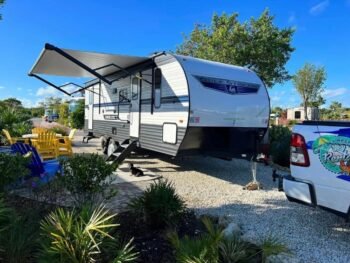
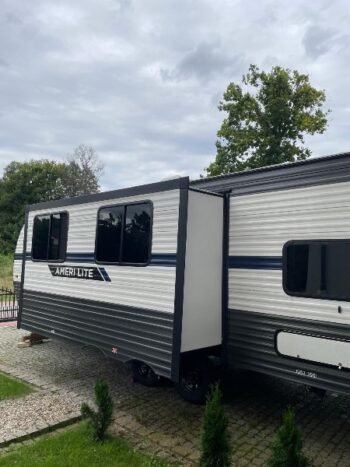
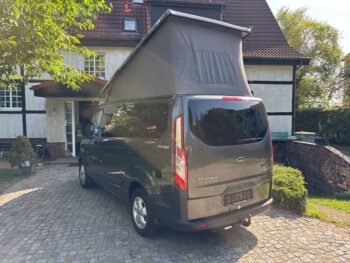
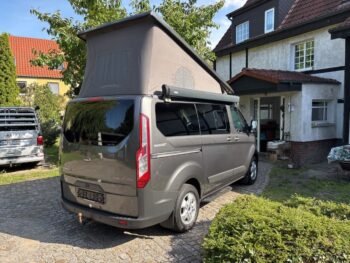
Vanlife offers a unique opportunity for people to travel and explore with their pets, specifically dogs and cats. This lifestyle requires careful planning and consideration to ensure the comfort and safety of furry companions in a campervan.
Understanding the specific needs of dogs and cats is essential for successful vanlife. From choosing the right pet to managing their space and care, pet owners can create a fulfilling adventure for both themselves and their animals.
Dogs and Campervan Living
Vanlife with dogs offers a unique blend of adventure and companionship on the open road. Ensuring that dogs are well-suited for this lifestyle is essential for a harmonious experience. From choosing the right breed to preparing for the journey, proper planning makes all the difference.
Choosing the Right Dog for Vanlife
Size Considerations
The size of the dog plays a significant role in its adaptability to a campervan lifestyle. Smaller breeds tend to fare better in confined spaces, making them ideal companions for vanlifers. Breeds like French Bulldogs, Shih Tzus, and Jack Russell Terriers can comfortably navigate the limited area of a campervan. On the other hand, larger breeds such as Great Danes or Golden Retrievers may face difficulty adjusting and could require more space to feel comfortable and secure.
Activity Level Needs
Understanding a dog’s activity level is crucial for a successful vanlife experience. Dogs that enjoy outdoor activities, such as Huskies, Dalmatians, or German Shepherds, are suitable for active owners who plan to hike or run frequently. Alternatively, dogs that are less active would be better suited for owners whose lifestyle involves longer hours spent working on a laptop. Matching a dog’s energy with the owner’s routine will enhance the journey.
Trainability Factors
Some breeds exhibit greater trainability than others. Intelligent breeds, like German Shepherds, are easier to train and adapt quickly to new environments. Conversely, breeds known for stubbornness, such as Beagles, may pose challenges in the confined space of a campervan. Proper training creates a more manageable travel experience and an enjoyable companionship during the journey.
Preparing Your Dog for the Journey
Crate Training Techniques
Establishing a crate space for a dog is an effective way to ease the transition into van life. Providing a crate offers your dog a secure place that they can associate with comfort. Gradual crate training allows the dog to explore this safe space while getting used to the vehicle’s movement.
Travel Practice Tips
Before hitting the road full-time, taking your dog on short trips familiarizes them with the campervan experience. Incrementally increasing travel durations and varying destinations helps create positive associations with the vehicle. The more accustomed they get, the smoother the longer journeys will be.
Veterinary Preparations
It’s important to ensure that your dog is healthy and ready for travel. A visit to the veterinarian prior to the journey is essential to confirm vaccinations are up to date and to obtain any necessary medications. Carrying proof of vaccinations can also be beneficial when traveling across state lines or international borders, as pet regulations can vary significantly.
Safety and Comfort for Dogs
Creating a Safe Space
Designing a designated area within the campervan for dogs is crucial for their wellbeing. This space should include their bed, food and water bowls, and toys. By establishing a specific zone within the confined quarters, dogs will feel more secure and comfortable in their new environment.
Managing Temperatures
Temperature management is vital for pets traveling in a campervan. Vans can heat up quickly in the sun, so it’s essential to monitor internal temperatures diligently. Utilizing reflective sunshades, vent fans, and ensuring a well-ventilated space will keep pets comfortable regardless of the weather conditions outside.
Legal Considerations on the Road
Familiarizing oneself with pet laws in various states or countries is essential for any vanlifers. Regulations can vary regarding pet transportation, including whether dogs are permitted in certain areas or required to be restrained in specific ways during travel. Adhering to these laws keeps both pets and owners safe while on the road.
Cats in a Campervan
Traveling with cats in a campervan can be a rewarding experience. It requires careful planning and preparation to ensure the comfort and happiness of feline companions while navigating the open road.
Preparing Your Cat for Vanlife
Short Trips Training
Before embarking on a long journey, it is beneficial to acclimate cats to the campervan environment through shorter trips. This practice helps them get accustomed to both the vehicle and the motion of traveling. Start with brief drives, gradually increasing the duration.
During these short trips, observe how your cat reacts. Some cats may feel anxious, while others might find the experience exciting. Positive reinforcement, such as treats or affection, can help create a more favorable association with the vehicle.
Harness Training Strategies
Harness training provides a safe way for cats to explore the outdoors while on vanlife adventures. Begin this process by allowing your cat to wear the harness indoors. Let them become familiar with it before taking them outside. Gradually attach a leash and let them wander in a controlled environment.
Make sure to choose a harness that fits properly, allowing your cat to move freely while ensuring it does not slip off. Patience is key; some cats take longer to adjust, and repeated sessions will help them become comfortable wearing a harness.
Creating Safe Retreats
Cats value their personal space. Due to the confined nature of a campervan, creating designated areas where cats can retreat is essential. These safe havens can include cozy spots with blankets or familiar items from home, providing them a sense of security.
Think about incorporating cat carriers or small beds in quiet corners of the van. Cats should have a peaceful environment to escape to when they feel overwhelmed or when the vehicle may be in motion.
Managing a Litter Box Onboard
Placement Options
Choosing the right location for the litter box is crucial for maintaining cleanliness in the van. Many vanlifers opt to place litter boxes in discreet areas, such as beneath the sink or in a corner of the living space. This placement minimizes mess and avoids odors.
Ensuring easy accessibility while still keeping it out of high-traffic areas can encourage consistent use by the cat. Consider the size of the litter box; a compact yet functional design may fit better in the limited space of a campervan.
Odor Control Methods
Odor control is vital in maintaining a pleasant atmosphere in a confined space. Using odor-absorbing litter, such as natural or clumping varieties, can help significantly reduce unpleasant smells. Pine pellets are also a popular option as they neutralize odors effectively.
Incorporating a covered litter box can contain odors while providing privacy for your cat. Regularly replacing the litter and cleaning the box can further enhance hygiene and comfort.
Regular Cleaning Routines
Establishing a cleaning routine for the litter box is essential. Daily cleaning helps prevent build-up and maintains a fresh environment. This practice also makes a significant difference in odor control.
Some vanlifers find it helpful to carry extra litter and liners for easy replacements during stops. A clean litter box can contribute to the overall happiness of both the cat and its owners during their travels.
Ensuring Comfort and Safety for Cats
Ventilation Solutions
Proper ventilation is critical in a campervan, especially during hotter months. Installing roof vents or windows that can be cracked open allows for air circulation and keeps the temperature at a comfortable level for pets.
Providing fans or utilizing breathable fabrics can also assist in maintaining airflow and avoiding overheating. Frequent breaks during travel routes enable checking on the cat’s well-being and adjusting conditions accordingly.
Cooling Mats Usage
Investing in cooling mats can create a comfortable resting place for cats on hot days. These mats help regulate body temperature, ensuring that pets stay cool in warm conditions. Positioning these mats in their designated areas will encourage use.
Heating Solutions for Cold Weather
In colder climates, it is crucial to keep cats warm and comfortable. Insulating the campervan can aid in maintaining temperatures. Utilizing portable heaters designed for RVs can provide additional warmth during chilly nights.
Cats often seek out warm spots; therefore, ensuring several cozy areas are available can greatly enhance their comfort when traveling through different weather conditions.
Traveling Safely with Pets
Traveling with pets requires attention to their safety and well-being. Proper preparation ensures that both pets and their owners can enjoy the adventure without unnecessary risks or stress.
Buckling Up Your Pet
Securing pets during travel is essential for their safety and that of the occupants in the vehicle. Proper restraints help prevent distractions while driving and protect pets in the event of sudden stops or accidents. There are several options available for buckling up pets.
- Dog Harnesses: A well-fitted harness can be attached to the vehicle’s seatbelt. This allows the dog to remain secure while giving them some freedom to sit or lie down comfortably.
- Crates: For cats and small dogs, travel crates can be a safer option. They provide a confined space where pets feel secure and can’t move around while the vehicle is in motion.
- Pet Barriers: These are used to keep pets in the back seat area, preventing them from jumping into the front where they might distract the driver.
Healthy Travel Practices
Maintaining health during travel is crucial for pets. Several practices can help ensure a healthy and comfortable trip.
- Regular Breaks: Pets should be given breaks every few hours to stretch their legs, use the bathroom, and hydrate. This is vital for their physical comfort and well-being.
- Keeping Hydrated: Always have fresh water available during the journey. Some pets may not drink enough while traveling, so offering water during breaks is essential.
- Food Considerations: Stick to the pet’s usual feeding schedule as much as possible. It’s best to avoid introducing new foods during travel to prevent stomach issues.
- Monitoring for Stress: Pets may experience anxiety during travel. Signs of stress can include panting, whining, or restlessness. Recognizing these signs early can lead to a more pleasant journey.
Finding Pet-Friendly Destinations
Researching destinations beforehand ensures a smoother trip. Not all places are welcoming to pets, so finding suitable locations is essential.
- Accommodations: Check for hotels, campgrounds, or RV parks that are pet-friendly. Many establishments have specific policies that should be understood before booking.
- Parks and Trails: Look for parks or trails that allow pets. Websites and apps dedicated to pet-friendly places can provide up-to-date information on trails, beaches, and parks.
- Pet Activities: Some areas offer pet-friendly activities, such as guided hikes or dog parks. Finding such options can enhance the travel experience.
Pros and Cons of Vanlife with Pets
Exploring the world with pets brings both rewards and challenges. Understanding the pros and cons of vanlife with furry companions can help prepare for an enriching adventure.
Advantages of Taking Pets Along
Traveling with pets can significantly enhance the vanlife experience. There are numerous benefits associated with having dogs and cats on the road.
-
Companionship
Having pets as travel companions provides emotional support and reduces feelings of loneliness. Pets often create a sense of belonging and family, making road trips feel more complete.
-
Motivation for Adventure
Pets encourage more outdoor activities, such as hiking, walking, or exploring new parks. This active lifestyle promotes better health for both pets and their owners.
-
Social Interaction
Pets can be great icebreakers, facilitating connections with other pet owners along the journey. This can lead to new friendships and shared experiences with fellow travelers.
-
Security
Dogs, in particular, offer a layer of security while traveling, alerting owners to unfamiliar sounds or potential threats. This can provide peace of mind during overnight stays in less populated areas.
Challenges and Solutions
While the rewards are appealing, there are certainly challenges that come with vanlife with pets. Addressing these challenges can lead to a smoother experience.
-
Space Limitations
Campervans provide limited space, which can be a challenge, especially for larger breeds. Selecting smaller pets or ensuring that personal belongings are efficiently organized can mitigate this issue.
-
Pet Behavior and Training
Traveling can be disruptive for pets, leading to anxiety or behavioral issues. Ensuring pets are well-trained and comfortable in their environment can help keep them calm. This includes creating a safe space in the van where they can retreat when feeling stressed.
-
Health and Safety
Maintaining the health of pets becomes a priority while on the road. Regular check-ups with a veterinarian before travel, as well as keeping medical records handy, can prevent issues. It’s also crucial to monitor temperature and provide adequate ventilation for pets in the campervan.
-
Litter Management for Cats
For those traveling with cats, managing a litter box can present unique challenges. Finding creative ways to position the litter box and ensuring regular maintenance can help manage odors and cleanliness.
Why Choose Greencampz.com for Your Campervan
When considering the transition to vanlife with pets, choosing the right campervan can make a significant difference. Greencampz.com offers specially designed campervans that cater to pet owners.
-
Pet-Friendly Features
These campervans often come equipped with pet-friendly amenities such as spacious layouts, secure spaces for pets, and climate control systems to ensure a comfortable environment.
-
Customization Options
Greencampz.com provides customization options to meet the specific needs of pet owners. This includes creating dedicated areas within the van for pet supplies, sleeping arrangements, and more.
-
Supportive and Knowledgeable Staff
The team at Greencampz.com can provide valuable insights on traveling with pets, ensuring owners have the resources necessary for a successful journey.
-
Community Engagement
Purchasing from Greencampz.com connects pet owners with a community of like-minded individuals, setting the stage for shared experiences and tips on navigating vanlife with pets.